Taking Action for Mental Health: that conversations moment
Posted: 11 May 2026, in News
This Mental Health Awareness Week we’ve been talking to our members about how they are taking action to support mental health.
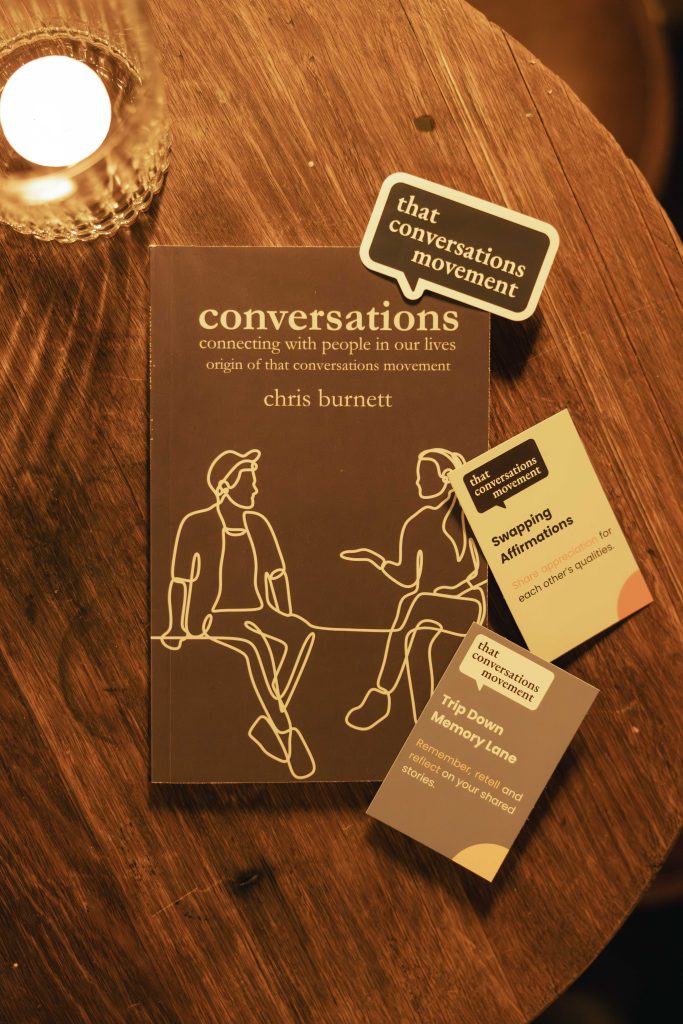
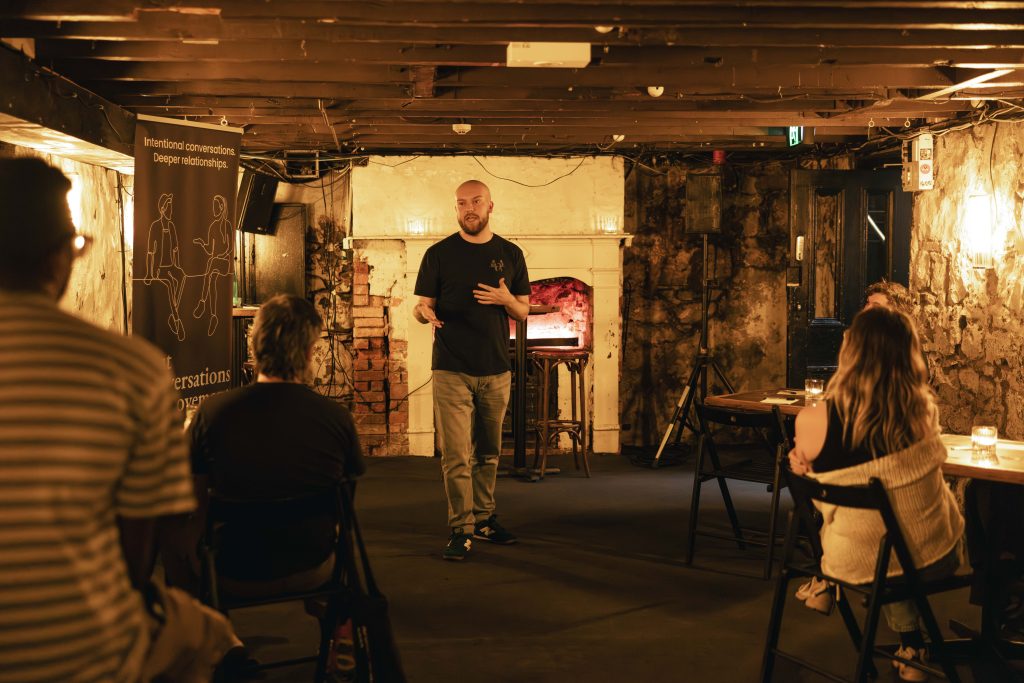
We spoke to Chris Burnett, Founder and Event Host at that conversations movement, a social enterprise which run screen-free events that encourage people to spend quality time with one another. Attendees go through conversation activities together, learning about one another, and leave feeling a little closer.
Can you give us a short description of your social enterprise?
We run events that encourage people to put their phones away and spend quality time with one another. Attendees show up in pairs, go through a few conversation activities together, learn about one another, and leave feeling a little closer. It’s a screen-free experience between friends, partners, and family members.
What does community mean to you in the context of taking action on mental health?
For us, quality time is pivotal to mental health. The term community gets used a lot these days, but for us it has to involve an in-person element. Our community are the pairs of people who show up with one another to spend a bit of time properly talking and listening.
How does your social enterprise take action to support mental health in the community?
Our events hold space for light-hearted, fun conversations between two people who care about one another. Taking the time to have these chats are the essence of our relationships. So that we’re close to the people in our lives, through the good times and the struggles.



How do you take action to look after your own mental health?
The social enterprise stemmed from my own personal struggle with disconnection during lockdown. I began reaching out to reconnect, and then started interviewing my family and friends about their lives and our relationships. Getting closer to those I care about benefitted my mental health immensely – it has made it easier to open up and be vulnerable.
Have you faced any challenges when taking action around mental health in your work?
To be totally honest, we tend to avoid using the term mental health so explicitly in our work. There’s a stigma attached, an assumption that if you’re talking about mental health then people need to be suffering or on the cusp of a breakdown to get involved with what you’re doing. When in fact, positive mental health stems from us having everyday interactions with those around us, and it’s important to find the time to give our full attention to one another.
What recommendations do you have for how communities and organisations can take more effective action to support mental health?
Have some screen-free time to connect with one another as people built into your team meetings or get togethers.