Community Learning Exchange: Flexible Childcare Services Scotland
Posted: 07 July 2026, in News
Social Enterprise Summit Scotland 2026
The Community Learning Exchange with Flexible Childcare Services Scotland (FCSS) took place against the joyful backdrop of children playing – a fitting soundtrack to a day spent exploring how flexible childcare can transform lives, strengthen communities and create opportunities for families.
From the outset, there was a strong sense of purpose. FCSS began as a pilot within One Parent Families Scotland, exploring the concept of flexible childcare. Since then, it has grown into a thriving social enterprise, adapting to challenges, taking opportunities, and continually evolving to meet the needs of children and families.
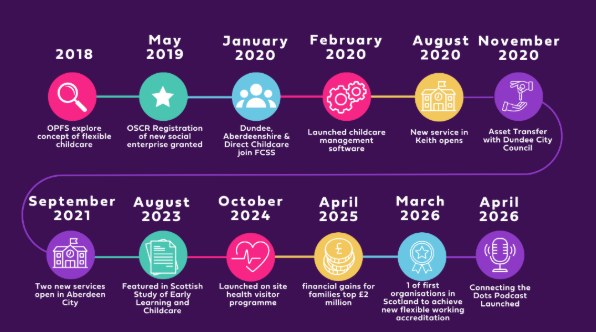
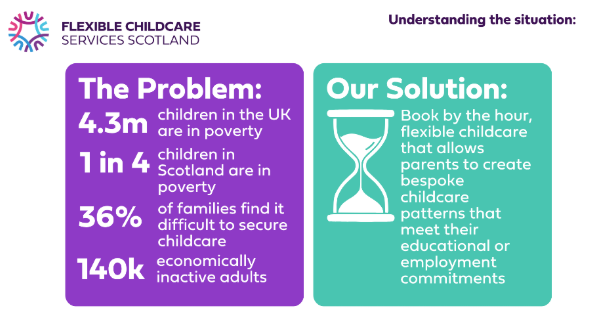
What makes FCSS particularly distinctive, their superpower as they noted, is a determination to find solutions and make things work. They identify gaps and respond to needs, where traditional systems do not always reach. Rather than duplicating existing provision, they work alongside local authorities, NHS services and other partners to create flexible, responsive support for families.
One particularly powerful example came from Aberdeen, where NHS Grampian has based a health visitor and speech therapist within an FCSS nursery. Families often have trusted relationships with childcare providers, making it easier to access support in a familiar setting. The result has been quicker referrals, fewer missed appointments and improved engagement with services. It was a compelling reminder of the unique role social enterprises can play in reaching people and communities that statutory services sometimes cannot.
The impact of their work is significant. Their most recent impact report identified over £2 million in additional income for families through access to flexible childcare that enables parents and carers to enter work, increase their hours and progress in their careers. Families can use funded childcare more flexibly across the week, helping childcare fit around employment rather than creating a barrier to it. All families surveyed experienced improvements in their mental health, another big win.
The link between flexible childcare and flexible workplaces was another key learning from the visit. FCSS recognises that supporting families starts with supporting staff. The organisation currently offers over 50 different working patterns and works hard to accommodate the needs of its team. This flexibility, combined with a strong values-led culture, has contributed to low staff turnover and high levels of engagement.
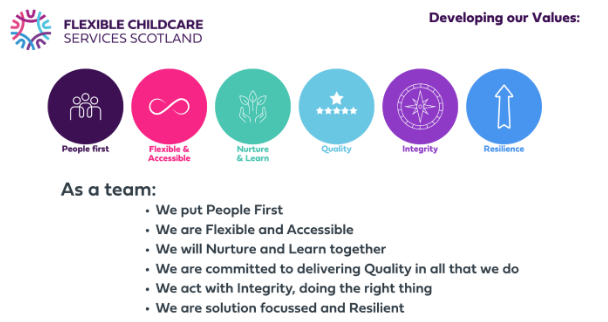
Values featured prominently through the discussion and sit at the heart of everything FCSS does. They are embedded in organisational development, decision-making, recruitment and staff development. As we heard during the visit, values help guide “the right decision, not always the cheapest or easiest one.” This values-led approach is particularly important in an organisation responsible for the care, development and well-being of children.
It was clear that recruitment and workforce development are viewed as strategic priorities rather than operational necessities. FCSS has invested heavily in building its own talent pipelines, creating pathways from volunteering and work experience into employment, and developing talent from within. They work closely with schools, employability programmes and Developing the Young Workforce initiatives, offering placements, taster sessions and opportunities to gain experience. Succession planning is an ongoing process, with a focus on developing confidence and supporting staff to take on new responsibilities at the right time for them.
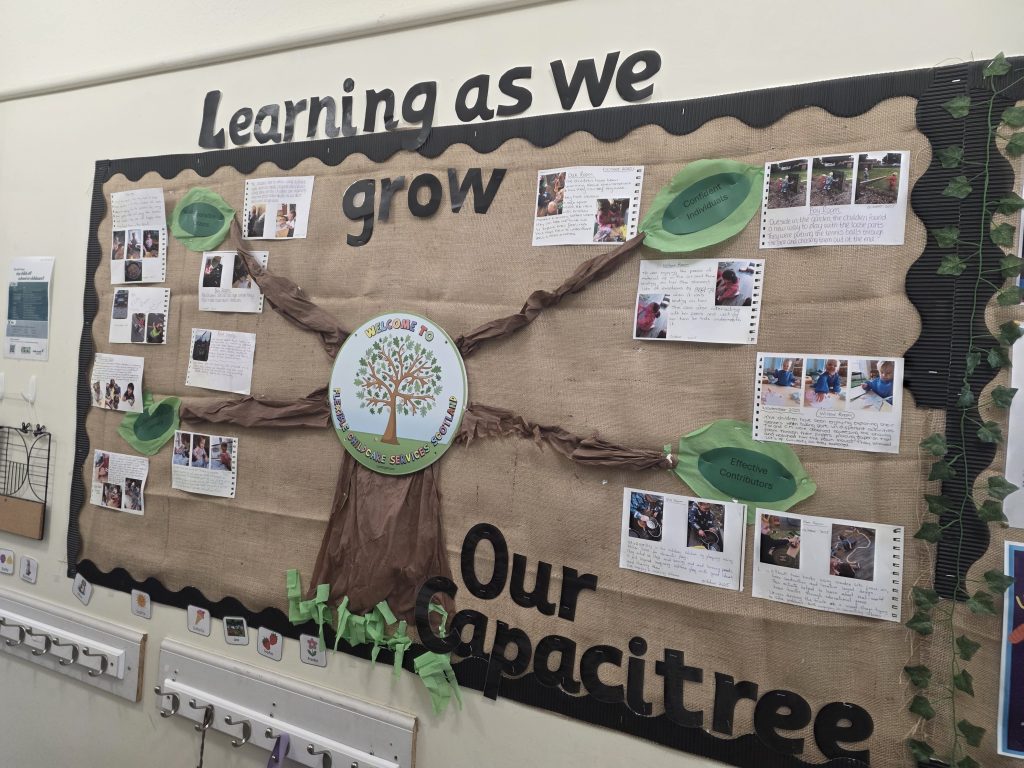
The importance of networks was another clear takeaway. FCSS spoke openly about the value of relationships with local authorities, funders, investors, researchers and peers. Building and sustaining a social enterprise can be challenging, and these networks provide both practical support and space for reflection and learning.
Throughout the day, there was a strong sense that FCSS’s success is rooted in a combination of innovation, partnership and resilience. From a small pilot project to a growing national organisation, they continue to demonstrate how social enterprise can deliver practical solutions to complex challenges, creating lasting impact for children, families and communities across Scotland.