Point and Sandwick Trust – Challenge Poverty Week 2026
Posted: 06 October 2026, in News
Point and Sandwick Trust is a community-owned social enterprise based in the Outer Hebrides. We own and operate the three-turbine Beinn Ghrideag community wind farm, with the income it generates going back into projects that benefit our local communities.
Since 2016, more than £10.9 million has been returned to the Trust from the wind farm. That has allowed us to support everything from tackling fuel poverty and improving people’s homes to community facilities, local jobs, environmental projects and support for other community organisations.
At the heart of it is a fairly simple idea: generating renewable energy locally and keeping the benefits of that energy within the community.
We spoke to DJ MacSween, General Manager of Point and Sandwick Trust to find out how they are supporting those experiencing poverty in their community.
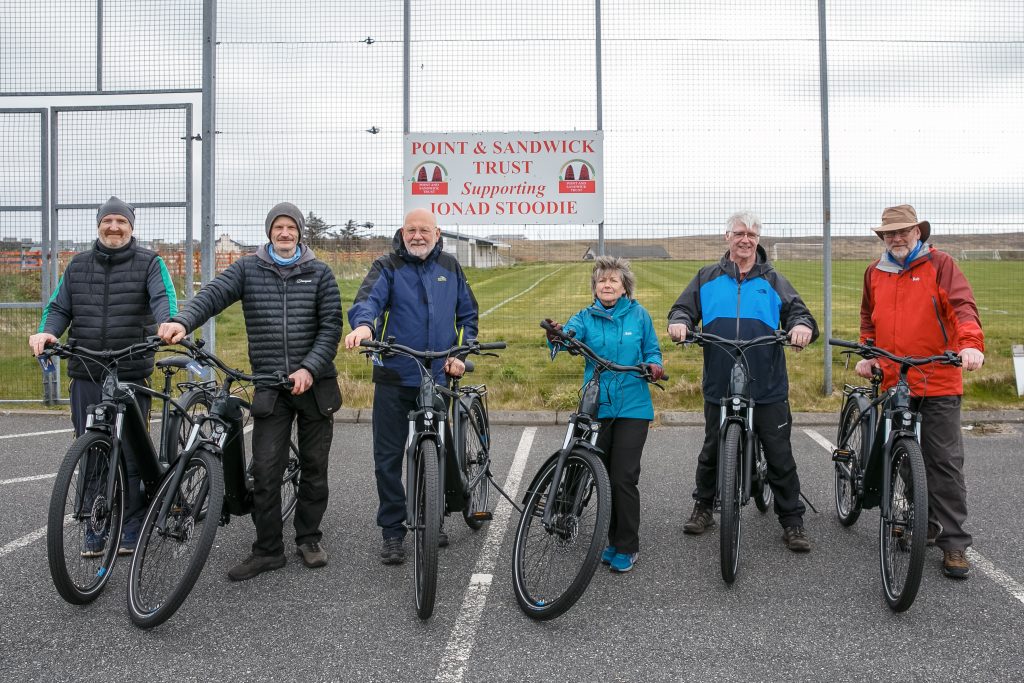 Ebike project for Point and Sandwick Coastal Path.
How does your organisation support those experiencing poverty in the community?
One of the ways we do this is through our Energy Support Unit, which provides practical, local support to households struggling with energy costs and the condition of their homes.
Since 2023, the Energy Support Unit has supported around 570 households and distributed more than £511,000 in grants. In 2025/26 alone, the team also arranged 146 home-repair jobs, and since 2024 we have provided 1,016 fire alarms to 197 households.
What we have found works particularly well is being able to look at what is actually happening in someone’s home and respond to that, rather than taking a one-size-fits-all approach. Sometimes somebody needs financial help with their energy costs, but there may also be a practical problem making their home cold, damp or expensive to heat.
Having a trusted local team makes a big difference too. They know the communities, they understand the particular challenges of living here and they can spend time finding the right solution for each household. Sometimes relatively small interventions can make a huge difference to someone’s comfort, health and everyday life.
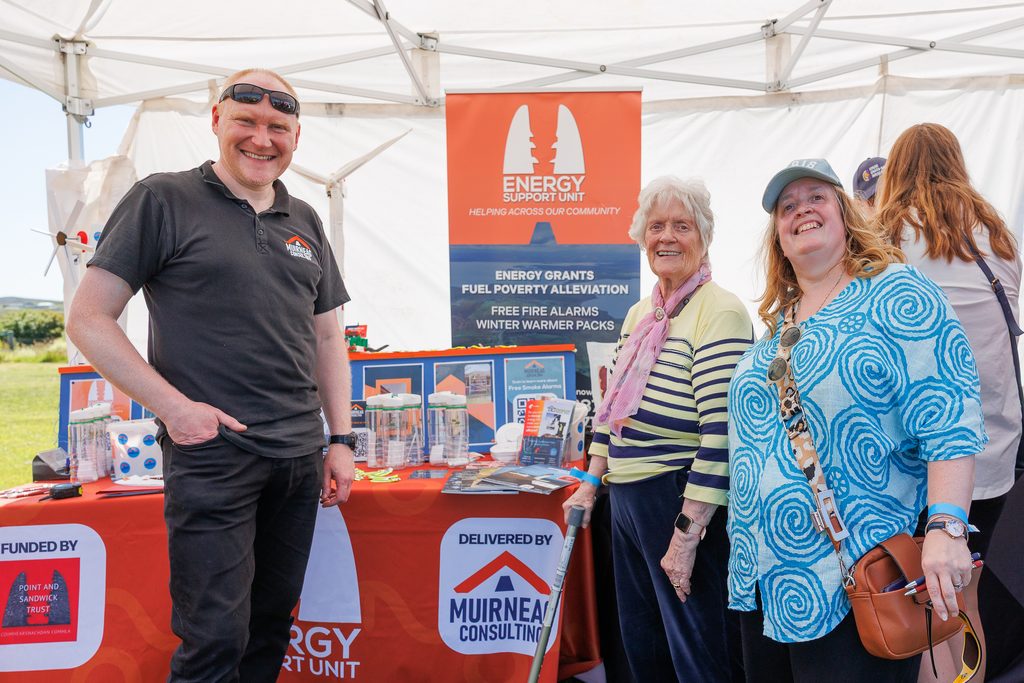 Dan Morrison at the Energy Support Unit stand at the Point Show 2025
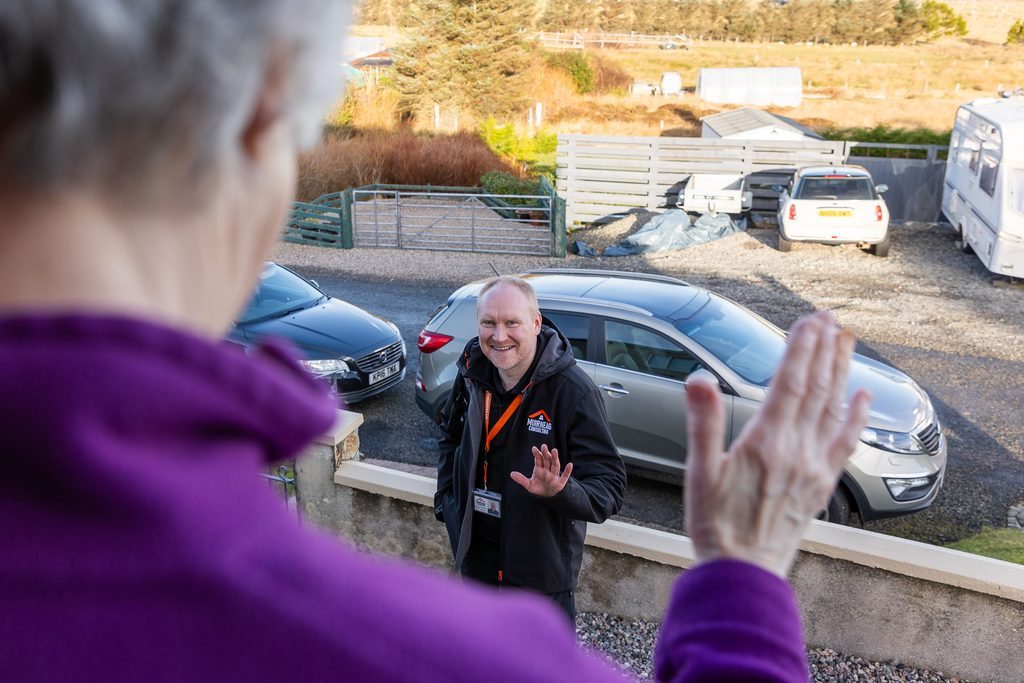 Dan Morrison visiting one of the homes being assisted with a fuel grant. Image credit: SandiePhotos
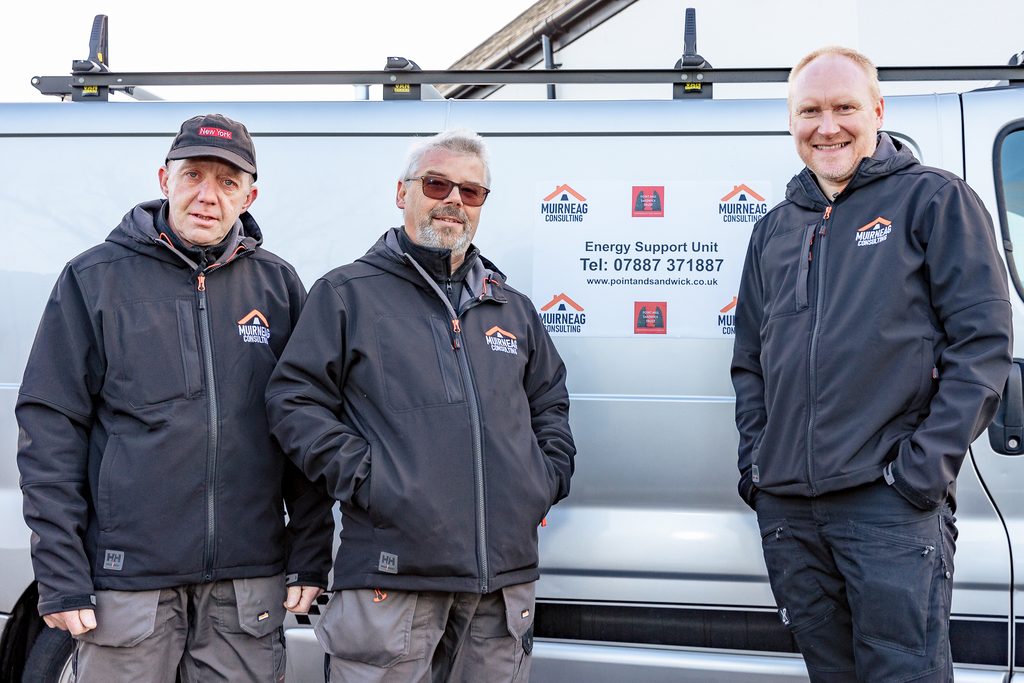 Kenny Maclean, Stewart Wilson and Dan Morrison of the PST Energy Support Unit. Image credit: SandiePhotos
What challenges do you face to your work around tackling poverty?
One of the biggest challenges is that the need is still very high. Energy costs and the wider cost of living continue to put pressure on households, and many homes in the islands are older, difficult to heat and can be expensive to improve.
Being an island community adds another layer. We have a dispersed population, and materials, transport and contractors can all cost more or be harder to access. That means something which might seem like a relatively straightforward home improvement elsewhere can be much more difficult here.
There is also a lot of hidden poverty. People don’t always think of themselves as being in fuel poverty and, particularly in a small community, they may be reluctant to ask for help. Having support available locally, through people they know and trust, helps us reach people who might otherwise struggle on their own.
Do you have a short testimonial to share?
Gordon Watt received a dehumidifier through our Energy Support Unit to help with condensation and mould in his home, particularly in one of his young children’s bedrooms.
Gordon said: “It’s fantastic and the quantity of water it takes out every day is amazing. I’m so thankful to Point and Sandwick Trust for their help.”
It’s a relatively simple intervention, but it made a real difference to Gordon and his family. For us, that sums up what the Energy Support Unit is there to do: listen to what people need and find practical ways to make their homes warmer, safer and more comfortable.
What one change would most help you support those dealing with poverty?
We’d like to see more support for community-owned renewable energy, so that more communities are empowered to generate their own income and invest it where it’s needed most.
At Point and Sandwick Trust, we worked for many years to develop our community wind farm. The income it now generates gives us the ability to respond to local needs, including tackling fuel poverty, without relying entirely on short-term external funding.
Making it easier for other communities to develop and own renewable energy projects would mean more of the value generated locally stays local. It would give communities a sustainable source of income and, importantly, the power to decide for themselves where that money can make the biggest difference.