What We Can Learn From SEWF25
Posted: 09 December 2025, in Blog-News
Building the Next Chapter Together: Reflections from SEWF25, Taipei
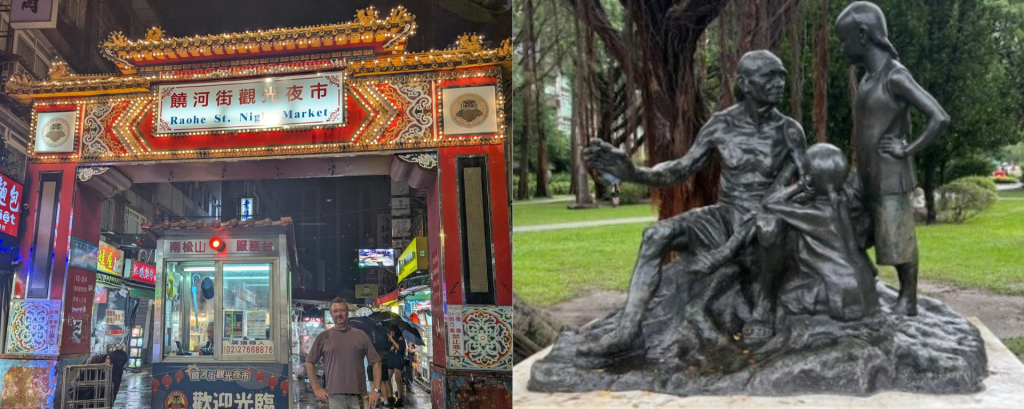
If you work in social enterprise, you’ll know the feeling; we’re doing more with less. Funding is tighter, expectations are higher, and yet the purpose that drives our movement feels stronger than ever. That was the mood at SEWF25 in Taipei. Hopeful, but honest. Across the world, people are rethinking what the support system for social enterprise looks like. The big takeaway? The organisations making the most progress aren’t waiting for perfect policy or bigger grants, they’re building partnerships that work in practice.
In Taiwan, for example, KPMG, yes, the big accountancy firm, has become the country’s social enterprise hub. KPMG used its networks and expertise to help hundreds of mission-led businesses grow and connect with major buyers. They didn’t do it for charity or branding. They did it because purpose-led enterprises open doors to new markets, better supply chains, and stronger local economies.
It’s a model that makes you think. In Scotland, we’ve got huge potential to do something similar; not by copying it, but by connecting our social enterprises directly into public and private procurement in ways that benefit everyone involved. That’s where the real opportunity lies: getting business done differently.
Another big learning came from Rick Macourt, who spoke about communities becoming custodians of their own data. It struck a chord. Here in Scotland, our Social Enterprise Census gathers rich insight every two years, but what if that information didn’t just sit in a report? What if local networks could use it to plan, influence, and act? Imagine communities having the evidence and confidence to push for fairer contracts, more investment, or better services on their own terms.
That’s what the best of SEWF was about: practical collaboration, not abstract strategy. It reminded me that support bodies like ours are only as useful as the value we help unlock; by joining dots, opening doors, and making your work easier.
So, how does that inform practice? We’ll keep focusing on procurement, partnerships, and helping social enterprises access new markets. We’ll keep pushing for investment in the sector that values social impact and fair work. But we’ll also listen, because shaping what comes next can’t be done for the movement, only with it.
The message from Taipei was clear: social enterprise isn’t waiting for permission. It’s evolving, and if we work together, Scotland can stay at the forefront of that change.
Chris Martin, CEO, Social Enterprise Scotland